
Pasta seems like one of those easy dinners that should turn out right every time. Boil water, add pasta, drain it, done. But if you’ve ever ended up with noodles that were mushy, sticky, bland, or just kind of disappointing, you already know it’s not always that simple.
The truth is, a few small mistakes can change the whole dish. And the annoying part is that most of them are really common. I’ve made every single one of these at some point, especially when I was rushing dinner and assuming pasta would “just work” on its own.
If you want pasta that tastes better, holds sauce properly, and actually feels like a good meal instead of an afterthought, these are the mistakes worth avoiding.
1. Using a Pot That’s Too Small
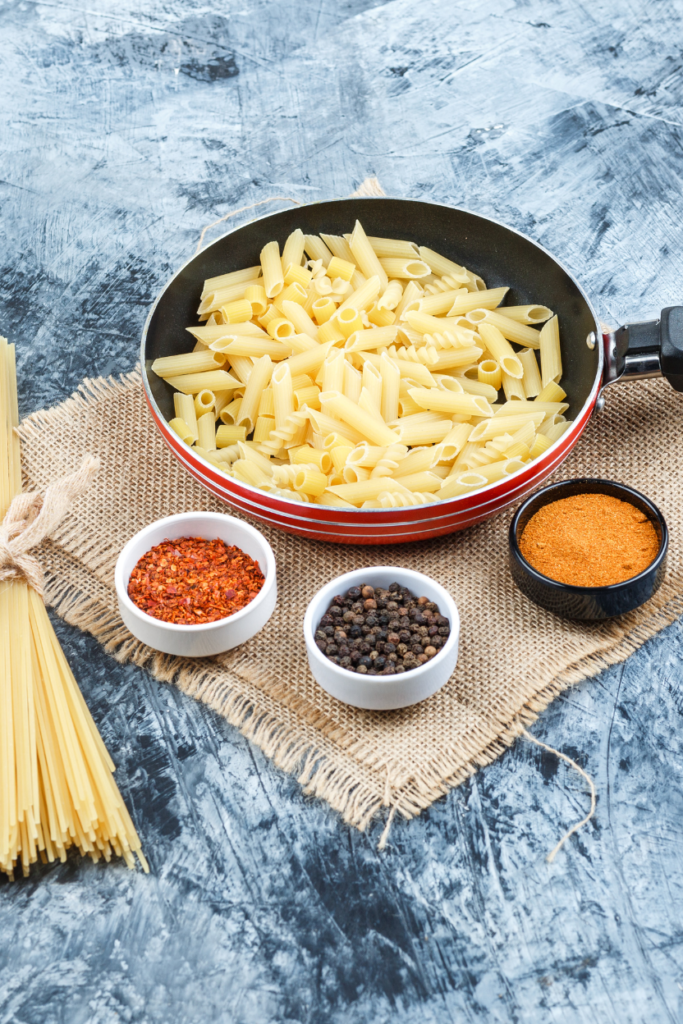
One of the easiest ways to ruin pasta is crowding it into a pot that doesn’t give it enough room to move. When pasta cooks in cramped water, it tends to stick together and cook unevenly.
This makes a bigger difference than you think. Use a large pot so the pasta has space to swirl around while boiling. It’s especially important for long shapes like spaghetti or fettuccine.
2. Not Salting the Water Enough
This is probably the biggest mistake home cooks make. Pasta water should taste noticeably salty, because that’s your one real chance to season the pasta itself while it cooks.
If the water is bland, the pasta will be bland too, no matter how good the sauce is. I usually add a generous amount of salt once the water is boiling. Not a tiny pinch—a proper amount.
3. Adding Pasta Before the Water Fully Boils
It’s tempting to toss the pasta in early when you’re hungry and trying to move things along. I’ve done it. But pasta added to barely simmering water can turn gummy and uneven.
Wait until the water reaches a full rolling boil before adding anything. That strong heat helps the pasta cook properly from the start.
4. Forgetting to Stir Right Away
The first minute matters more than people realize. Pasta, especially dried pasta, loves to stick to itself right after it hits the water.
One thing I learned the hard way is that a quick stir at the beginning prevents a lot of frustration later. Give it a good stir right after adding it, then once or twice more during cooking.
5. Overcooking the Pasta
Mushy pasta can ruin even a really good sauce. It loses texture, falls apart more easily, and just doesn’t taste as satisfying.
Always check the package time, but don’t rely on it blindly. Start tasting the pasta a minute or two before it’s supposed to be done. You want it tender, but still with a little bite. That’s the sweet spot.
6. Rinsing the Pasta After Draining
Unless you’re making a cold pasta salad, rinsing pasta is usually a mistake. It washes away the starch on the surface, and that starch is exactly what helps the sauce cling to the noodles.
It might seem small, but it actually matters. If your pasta and sauce never seem to come together nicely, rinsing could be the reason.
7. Draining All the Pasta Water
This is one of those little tricks that sounds fussy until you try it. Pasta water helps loosen thick sauces, bring everything together, and create a smoother finish.
Before draining, save a little cup of that starchy water. You may not always need it, but when a sauce looks too dry or heavy, it can fix the whole dish in seconds.
8. Adding Oil to the Boiling Water
A lot of people were taught to add oil to pasta water to stop sticking. Honestly, it doesn’t really solve the problem in the way people think it does.
The better fix is using enough water and stirring properly. Oil can leave the pasta slippery, which makes it harder for sauce to stick later. I stopped doing this years ago, and my pasta actually got better.
9. Mixing Sauce and Pasta Too Late
Pouring sauce on top of plain pasta at the very end works in a pinch, but it usually tastes less balanced. The sauce just sits there instead of coating everything properly.
For better results, add the drained pasta directly into the sauce and toss it together for a minute or two over low heat. That extra step helps the pasta absorb flavor and gives the dish a more finished taste.
10. Ignoring the Type of Pasta You’re Using
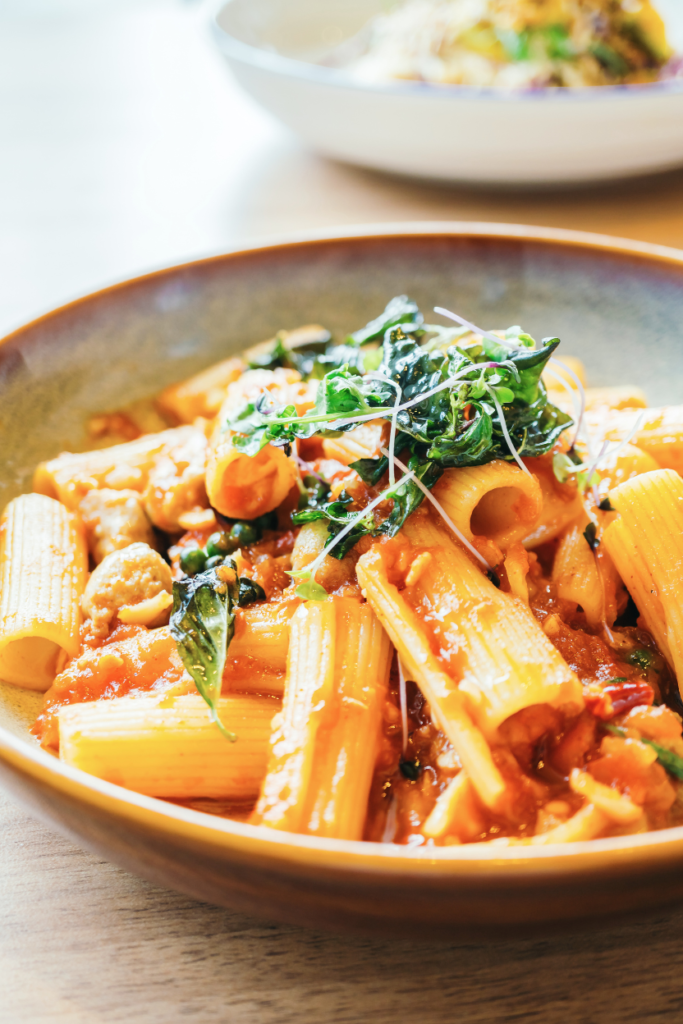
Not every pasta shape works with every sauce. Thin sauces can slide right off large noodles, while chunky sauces can overwhelm delicate pasta.
This is one of those details that sounds extra, but it really improves the final dish. Lighter sauces work well with spaghetti, angel hair, or linguine. Thicker or chunkier sauces usually pair better with penne, rigatoni, or shells.
Quick Tips for Better Results
- Use a big pot with plenty of water.
- Salt the water well, not just lightly.
- Stir the pasta right after adding it.
- Taste before the timer ends.
- Save some pasta water before draining.
- Finish the pasta in the sauce when possible.
Tools That Help
You don’t need fancy equipment to make good pasta, but a few basics definitely help.
- A large pot, so the pasta cooks evenly.
- A colander that drains quickly and safely.
- Tongs, especially for long noodles like spaghetti.
- A ladle or mug for saving pasta water.
- A timer, because pasta can go from perfect to overdone fast.
Common Questions About Cooking Pasta
Should I add oil to pasta water?
No, it’s usually not necessary. Stirring the pasta and using enough water works better. Oil can also make it harder for sauce to stick to the noodles.
How much salt should I add to pasta water?
Enough that the water tastes clearly seasoned. It shouldn’t taste like seawater exactly, but it should not taste plain. Most home cooks under-salt pasta water.
Can I cook pasta ahead of time?
Yes, but it’s best served fresh. If you need to cook it ahead, keep it slightly underdone and toss it with a little sauce or a very small amount of oil so it doesn’t clump too badly.
How do I know when pasta is done?
Taste it. That’s the best way. It should be cooked through but still slightly firm in the center, not mushy or falling apart.
Why does my pasta stick together after draining?
Usually because it sat too long without sauce, wasn’t stirred enough while boiling, or was cooked in too little water. Pasta is happiest when it goes straight from pot to sauce.
Cooking pasta well really comes down to a few simple habits. Once you stop making these common mistakes, the difference is surprisingly obvious. Better texture, better flavor, better sauce coverage everything just works the way it should.
And honestly, pasta nights get a lot easier when you’re not guessing. A few small changes can make a very basic dinner taste a whole lot better.