
Garlic bread is one of those things that sounds impossible to mess up. Bread, butter, garlic how hard can it be? And yet, I’ve eaten some truly disappointing versions over the years. Dry, flavorless, weirdly chewy in the middle, or so burnt on the bottom it tastes bitter. I’ve made most of these mistakes myself, honestly.
The thing is, garlic bread is simple but “simple” doesn’t mean there’s no technique involved. A few small choices make a massive difference between garlic bread that people reach for seconds of and garlic bread that just… sits there on the plate.
Here’s everything I wish someone had told me earlier.
1. Using the Wrong Bread
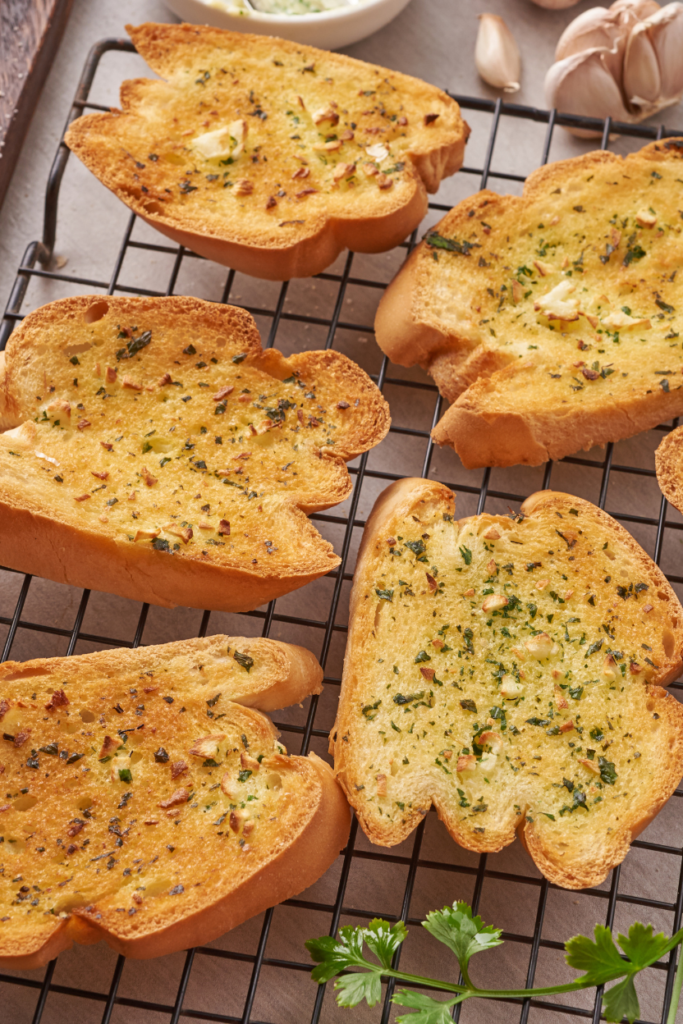
This is where most people go wrong before they even turn the oven on. Soft sandwich bread turns soggy and floppy. What you want is something with a sturdy crust — a proper Italian loaf, French baguette, or ciabatta. These hold up to the butter and actually get that satisfying crunch on the outside while staying soft inside.
One thing I learned the hard way: pre-sliced supermarket “garlic bread loaves” are almost always disappointing. Starting with a good bakery loaf makes everything else easier.
2. Using Garlic Powder Instead of Fresh Garlic
Garlic powder has its place, but garlic bread is not it. Fresh garlic — minced fine or grated on a microplane — gives you that sharp, aromatic punch that makes garlic bread actually taste like garlic. Garlic powder can taste dusty and flat in comparison.
If you’re in a real rush, jarred minced garlic works okay. But fresh is always better here.
3. Not Softening the Butter First
Trying to spread cold, hard butter on bread tears the bread apart and results in uneven coverage. You end up with thick blobs in some spots and bare patches in others. Room temperature butter spreads like a dream and coats every corner of the bread evenly.
This might seem obvious, but I still forget sometimes and then wonder why one end tastes better than the other.
4. Skimping on the Butter
I know, I know. But this is not the moment to be conservative. Garlic bread needs enough butter to soak slightly into the bread as it bakes. Too little and you get dry, crumbly toast with a faint garlic smell. Be generous — you’ll thank yourself later.
5. Not Mixing the Garlic Into the Butter Properly
If you just plop minced garlic on top of butter and spread it, the garlic doesn’t distribute evenly. Some bites will be intense, others will have none. Mix the garlic directly into the softened butter with a pinch of salt before you spread it. This makes a huge difference — every bite gets that full flavor.
6. Forgetting the Salt
Unsalted butter is great for baking, but for garlic bread you really need salt in the mix. It brings out the garlic flavor and keeps the whole thing from tasting flat. A good pinch of flaky salt or even regular table salt mixed into the butter is all it takes.
7. Skipping Fresh Herbs
You don’t have to add herbs, but a little fresh parsley mixed into the butter takes garlic bread from good to genuinely great. It adds a pop of freshness that cuts through the richness. Dried parsley works too, though fresh is noticeably better. Some people swear by a tiny bit of fresh chives — I’ve tried it and it’s actually lovely.
8. Baking at the Wrong Temperature
Too low and your garlic bread just dries out without getting crispy. Too high and the outside burns before the inside warms through. Around 375–400°F (190–200°C) is the sweet spot for most loaves. It gives you golden, crispy edges and a warm, buttery center.
9. Not Wrapping It in Foil First
If you want soft, pull-apart garlic bread, wrap it loosely in foil for the first 10 minutes of baking, then open it up for the last 5. This traps steam and keeps the inside soft while the outside still gets color and crunch. Skipping the foil the whole time can dry it out, especially thicker loaves.
10. Opening the Bread Too Thin (or Too Thick)
Cutting the bread too thin means it turns into a cracker. Too thick and the middle never fully warms up. About ¾ to 1 inch thick is ideal for slices, or if you’re doing a full loaf split lengthwise, keep both halves equal so they bake evenly.
11. Adding Cheese Too Early
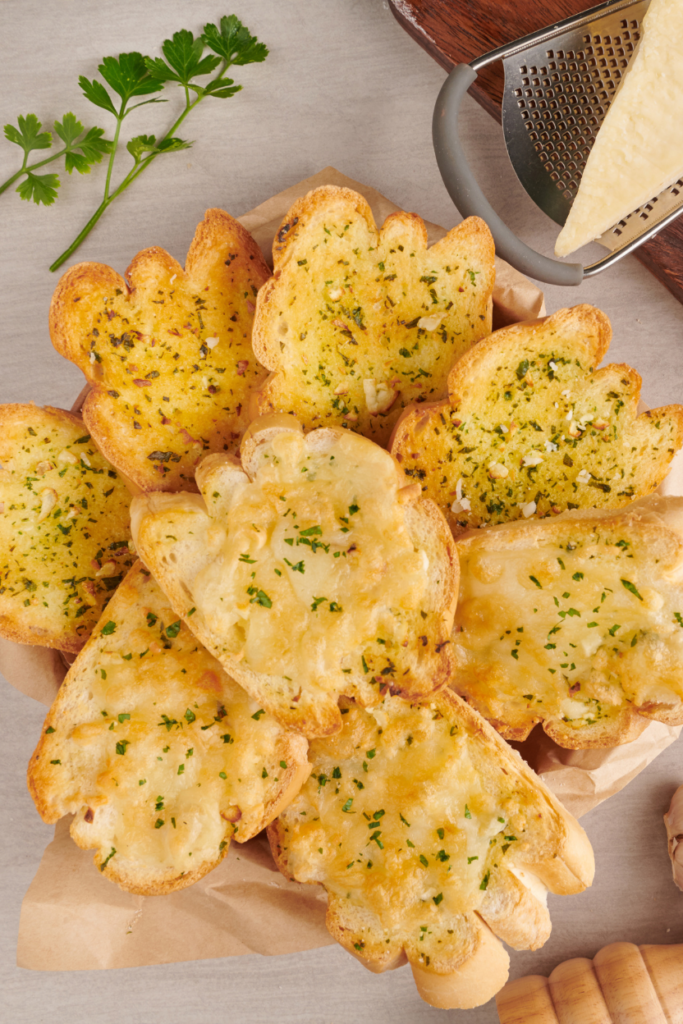
If you’re doing cheesy garlic bread (and you absolutely should try it), don’t add the cheese at the very start. Put it on in the last 4–5 minutes of baking so it melts and gets bubbly without burning. Mozzarella, parmesan, or a mix of both work beautifully.
12. Serving It Too Late
Garlic bread is best eaten immediately out of the oven. The moment it sits for more than a few minutes, it starts losing its crunch and the butter congeals a bit. If you’re making it for a dinner party, time it so it comes out right as everyone sits down — not 20 minutes before.
Quick Tips for Better Garlic Bread
- Add a tiny squeeze of lemon juice to the butter for brightness
- A pinch of red pepper flakes in the butter adds a subtle heat that’s really nice
- Rub a raw garlic clove directly on the bread after baking for extra punch
- Use a broiler for the last 1–2 minutes if you want extra color and crunch (watch it closely!)
- Don’t store leftover garlic bread covered — it steams and goes soft. Leave it uncovered or reheat uncovered in the oven
FAQs
Can I make garlic bread ahead of time?
You can prep the garlic butter and spread it on the bread, then wrap it tightly and refrigerate for up to a day. Bake it right before serving — don’t bake it ahead and reheat, it won’t be the same.
What’s the best bread for garlic bread?
A crusty Italian loaf or French baguette are my top picks. Ciabatta is also excellent. Avoid soft sandwich bread — it can’t handle the butter and heat without getting mushy.
Can I use olive oil instead of butter?
Yes! Brush olive oil with minced garlic on the bread and bake. It’s lighter and has a different (but still delicious) flavor. Some people do half butter, half olive oil, which is honestly a great compromise.
How do I stop the garlic from burning?
Make sure the garlic is mixed into the butter rather than sitting exposed on top. Also, don’t bake at too high a temperature. If you’re worried, cover with foil and only uncover at the end.
Can I make garlic bread in a pan instead of the oven?
Absolutely. A cast iron skillet or regular pan on medium heat works well for individual slices. Press them butter-side down for 2–3 minutes until golden. It’s faster and honestly just as good for smaller batches.
Final Thoughts
Garlic bread really is one of the most satisfying things to make and once you nail these basics, it becomes second nature. It’s one of those recipes where small habits (soft butter, fresh garlic, right temp) stack up into something that tastes genuinely restaurant-worthy at home.
Give it a try with your next pasta night and see how much of a difference even two or three of these changes make. I think you’ll be surprised.